BlogArticles
Legal and professional requirements for drawing issue registers
10 Jan 2026 · Systemais Team
Professional obligations for document management and QA apply to practices of all sizes. Drawing issue registers remain a core record of what was issued, when, and to whom.
Whether you are a sole practitioner or running a small architectural practice, keeping clear records of what was issued, when, and to whom remains a fundamental professional obligation. The importance of maintaining proper documentation does not diminish with practice size. Smaller practices often face greater scrutiny during audits or investigations, which makes robust record-keeping even more critical.
A systematic approach to tracking drawing issues, revisions, and project correspondence helps protect both you and your clients while keeping professional standards consistent.
Keeping accurate drawing issue records is a professional obligation – ARB
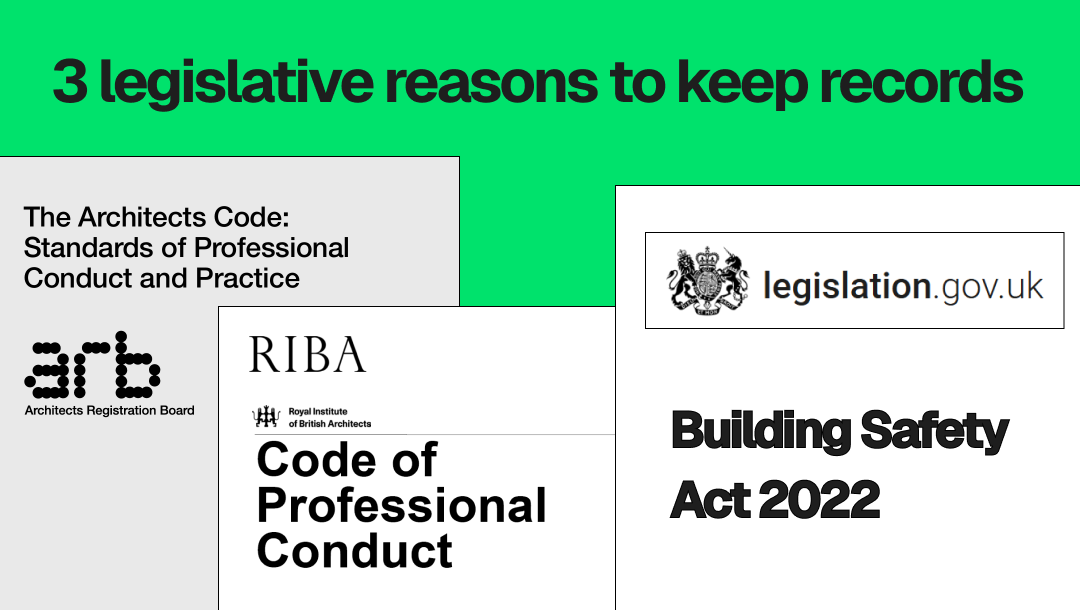
The Architects Registration Board (ARB) Code of Conduct requires architects to maintain appropriate records that demonstrate professional decision-making, safeguard client information, and meet legal and regulatory duties. This includes tracking what information was issued, when, and to whom.
In the event of a dispute, audit, or complaint, drawing issue registers often form critical evidence. Consistent record-keeping is part of acting with integrity and accountability.
ARB Code of Conduct requirements
Standard 4 – Competent management of your business
"4.1 You are expected to have effective systems in place to ensure that your practice is run professionally and that projects are regularly monitored and reviewed."
Standard 6 – Working conscientiously and with due regard to relevant technical and professional standards
You should carry out professional work with skill and care, keep clients informed of progress, and record issues that may significantly affect quality or cost. Accurate records underpin these duties.
Standard 11 – Co-operation with regulatory requirements and investigations
Complete, accessible records, from drawing registers to metadata, are essential when a regulator asks for information.
RIBA guidelines
The RIBA Code of Professional Conduct highlights accurate documentation as part of competent practice. Members are expected to record terms of appointment, monitor project decisions, and keep clients informed. Drawing issue registers, revision logs, and correspondence records support that transparency.
RIBA Code of Professional Conduct
Principle 2 – Competence
Members are expected to apply high standards of skill, knowledge, and care in all their work.
Section 2.3
Terms of appointment, the scope of work, and essential project requirements should be clear and recorded in writing. Members should maintain appropriate records throughout their engagement.
Section 2.4
Members should keep clients informed of progress and of the key decisions made on the client's behalf.
The Building Safety Act places clear responsibilities on designers
The Act introduces clear duties for designers, including sole practitioners, particularly when acting as dutyholders such as Principal Designer. Dutyholders must ensure that accurate, up-to-date digital records are created, maintained, and made available throughout a building's lifecycle.
Schedule 1, Paragraph 1D – Keeping and giving information
Building regulations may make provision about obtaining, keeping, and giving information and documents, including requirements to keep that information up to date.
Conclusion
Whether required by professional codes or legislation, keeping clear, consistent records is a core part of architectural responsibility. From the ARB Code of Conduct and RIBA professional standards to the Building Safety Act, reliable documentation protects clients, safeguards practices, and upholds public trust.
For sole practitioners and small firms, meeting these obligations need not be burdensome, but it must be taken seriously. A simple, structured system for recording drawing issues and revisions is a practical step toward better compliance.
This is exactly where Share&Log can help. The product shares drawings and automates the issue register, including a free plan for smaller practices.
Written by the Systemais team. We are practising architects and software engineers working on QA tools for AEC practices.